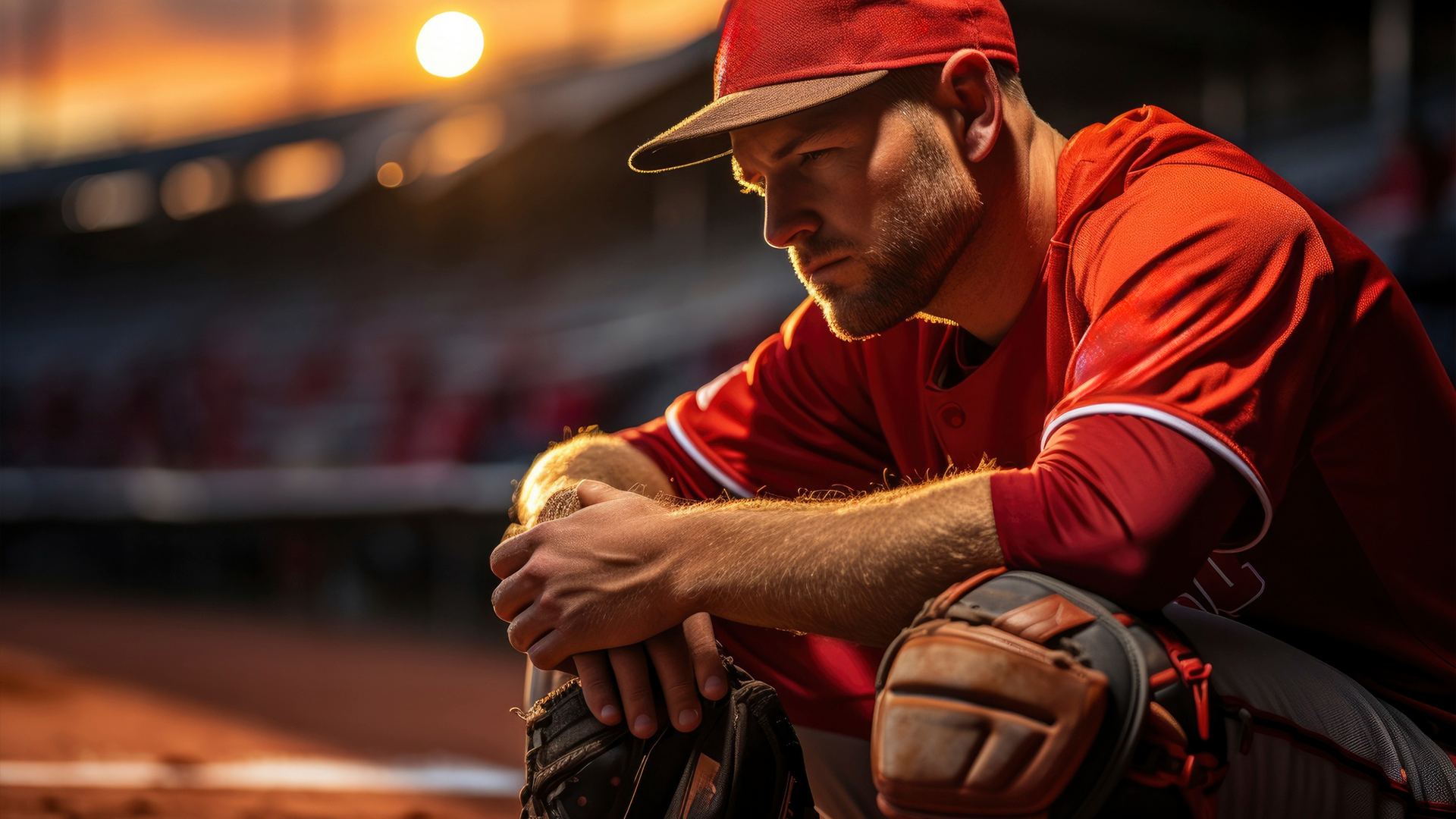
Baseball is supposed to be pastoral. Sunlight. Chalk. Fathers clearing their throats before saying something they hope sounds permanent. A clean game for a dirty world.
That is the advertisement anyway.
The real thing is stranger. Baseball is a public workshop in embarrassment. It teaches boys, and later men, that the body is unreliable, timing is cruel, and a whole afternoon can be ruined by one tiny lapse in coordination. A ball lost in the sun. A swing a fraction late. A throw with too much panic in it. The crowd does not need much. Human beings are very efficient consumers of other people’s shame.
That is one reason the game matters.
Not because it produces heroes, though it occasionally rents them out. It matters because it understands exposure. Especially for the lonely kid. The smart kid. The half-bored kid who feels loved at home and still somehow separate, as if he were dropped into the wrong life by clerical error. Baseball drags that kid into the open and says: all right then, show us what you are.
For someone like Clark, that is not a simple invitation.
It is one thing to be gifted. It is another thing to be gifted and have to hide it, soften it, act normal, act beatable, act like your life is not humming at a different voltage from everyone else’s. Sports become weird under those conditions. They are no longer just games. They are theater. Concealment. A place where glory and exposure are standing too close together for comfort.
That is where failure gets interesting.
Most failure is not noble. That is locker-room poster nonsense. Real failure is awkward. Real failure happens right when confidence finally shows up for once. You think you have it. The stride is right, the heart is open, the future seems almost indecently available, and then fate sticks out a foot like a cheap comedian. Down you go. Not majestically. Not tragically. Stupidly.
Which is worse.
There is something uniquely baseball about that sort of collapse. The game allows hope to ripen just enough before it spoils. You can feel chosen walking to the plate and ridiculous walking back. You can be one clean play away from becoming the person you had in mind, then find out the person you had in mind was a little premature.
That is a hard lesson for any kid. Harder still for the one already wrestling with loneliness, pride, secret power, and first love.
First love makes fools of everybody, of course. Baseball merely provides uniforms for the occasion. A boy who has spent years drifting, joking, keeping his real self out of sight, can suddenly become sincere because one person looked at him differently. Now everything matters. The game matters. The body matters. The future matters. That is usually when the universe, which has an advanced degree in bad timing, arranges some humiliation memorable enough to echo for decades.
Baseball keeps those echoes.
That may be its cruelest talent. It preserves your worst moments with almost religious care. People forget entire seasons but remember one dropped ball forever. The shame remains bright in storage. You can age, succeed, fail again, go gray, acquire perspective, and still feel your stomach tighten at the memory of one terrible inning.
So where does redemption enter?
Not where the movies put it.
Redemption in baseball is not orchestral. It does not descend in a golden shaft of light while everyone forgives you for being human. It usually looks smaller than that. Meaner too. It is taking your position again while the embarrassment is still warm. It is stepping back into the box with the strikeout still attached to your name like a tin can dragged behind a wedding car.
That is why baseball gets closer to real life than most noble American myths do.
It does not say, fail once and become wiser. It says, fail publicly, remember it vividly, carry it around, and now try not to turn into a complete fraud. The best you can hope for is not purity. It is continuation. You field the next ball. You run again. You love again if you can stand it. You become a little less enchanted with your own legend and a little more willing to live without one.
For a character like Clark, that matters more than triumph. Power is not the answer people think it is. Neither is talent. Neither is being special. None of it protects you from humiliation, heartbreak, or the strange sorrow of not fully belonging anywhere. Baseball knows that. It keeps telling the overbright, overhopeful, slightly misplaced kid the same thing: you are not spared.
But you are not finished either.
That is the decent news.
Failure and redemption in baseball live on the same block. One humiliates you. The other makes you come back before you feel ready. Neither is especially polite. Still, there is something almost merciful in the arrangement. You are allowed to look foolish. You are allowed to be wounded. You are even allowed to carry the memory like a private bruise for years.
Then the game hands you another afternoon and asks the only question that ever really mattered.
Well?
Go again.